October 22, 2026
When the Audit Log Collector Cannot Be Trusted: FortiSIEM and 800-171
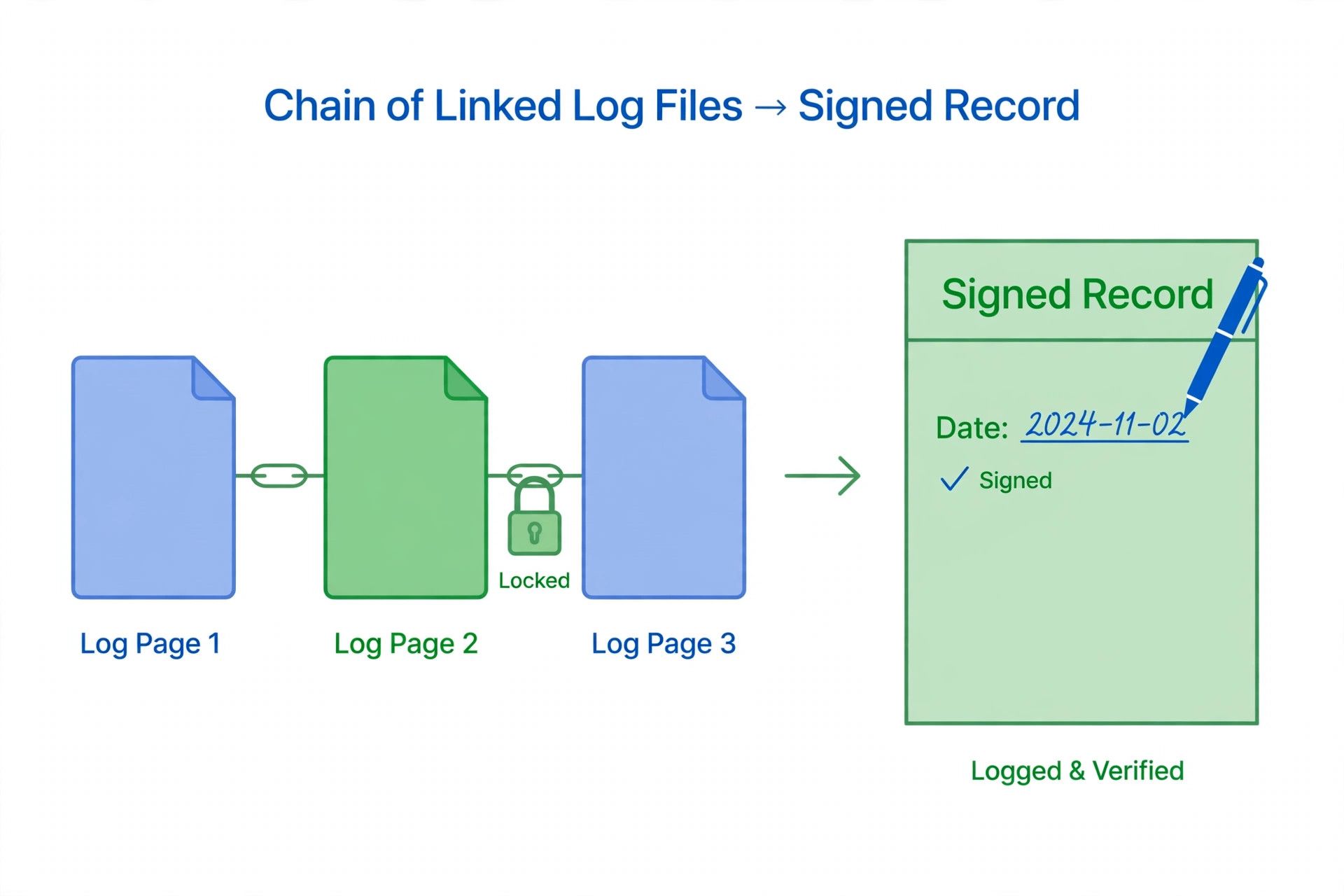
NIST SP 800-171 control 3.3.1 asks you to create and keep audit logs. Control 3.3.8 asks you to protect those logs from unauthorized access and tampering. The chain only works if the collector is sound.
This week a widely used collector was not sound.
What happened
On October 20, 2026, Horizon3.ai published a working exploit for CVE-2026-106173. The flaw sits in the FortiSIEM phQueryMaster gRPC service. A SIEM is a security information and event management system. The service listens on TCP port 27918 and skips client certificates.
An attacker with no login can reach it and write files anywhere on the appliance. File write becomes code execution. Fortinet rates it 9.4. Several vulnerability databases list 9.8.
Fortinet's advisory FG-IR-26-180 shipped October 13, 2026. FortiSIEM 7.5.0 is affected. The fix is 7.5.1 or later. FortiSIEM Cloud is not affected.
Which 800-171 controls touch this
Control 3.3.1, system auditing, is the base. Your SIEM creates and keeps the audit records.
Control 3.3.8, audit protection, is the one this flaw breaks. An attacker with code execution on the SIEM can alter stored logs. Altered logs fail the control even if every server still writes perfect records.
Control 3.14.2, malicious code protection, is the root cause angle. The gRPC service should never have accepted unauthenticated connections. Input validation failed at the boundary of the service.
Control 3.14.1, flaw remediation, is the response. Patch to 7.5.1. Restrict port 27918 in the meantime. Date both actions.
What your evidence needs to show
NIST SP 800-171A is the assessment guide. For audit protection, it checks that audit tools and records are protected from unauthorized access and tampering.
Four items satisfy it after this flaw. The SIEM version record before and after the fix. The network rule that limited port 27918, with its date. The compromise check, dated and signed, with the file listing you reviewed. The audit log sample that proves records stayed intact.
Horizon3.ai found no clear log line for this attack. Say that in your evidence. A check that admits its limits is stronger than a clean bill of health with no method behind it.
What to do this week
Treat the audit pipeline as a system in scope. Inventory the collector, the storage, and the rules. Patch each layer. Protect each layer's credentials.
Write the collector's own integrity into your system security plan. The plan describes how audit logging works. This month proved it should also describe how the collector is defended.
Sources
- FG-IR-26-180: FortiSIEM path traversal vulnerability, Fortinet Product Security, October 13, 2026. https://www.fortiguard.com/psirt/FG-IR-26-180
- CVE-2026-106173 record, CVE Program. https://www.cve.org/CVERecord?id=CVE-2026-106173
- FortiSIEM CVE-2026-106173 technical analysis and proof of concept, Horizon3.ai, October 20, 2026.
- Original diagram by PolicyCortex.
Next step
Want audit evidence that pulls itself from your live systems? See how PolicyCortex collects it on Azure.